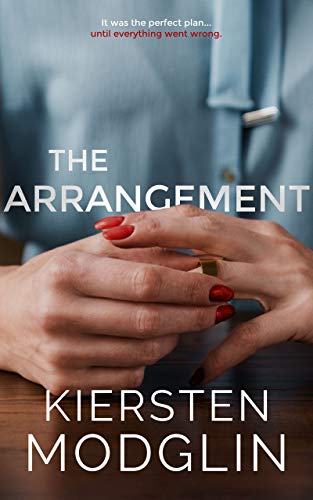
Some agreements sound reassuring because they are precise. Each person knows the rules; each person has consented. The Arrangement starts with a marriage in trouble and a proposal that seems to give that trouble a structure. What makes it worth discussing is the gap between an agreement on paper and the knowledge two people actually share.
Ainsley Greenburg believes in fixing things. Facing the collapse of her marriage, she proposes that she and Peter each date someone new once a week. They will not discuss the details. Peter agrees readily. Modglin then builds a domestic thriller around what happens when boundaries break and the couple's ability to trust one another becomes entangled with their secrets.
We chose this as a conversation book because its central rule invites an immediate disagreement. Is keeping the dates private a protection for the marriage, or does it remove the very information the couple would need to understand what they are agreeing to? Readers can explore that question without treating the characters as representatives of every relationship with similar arrangements. The issue is what these two people do with permission, silence and power.
Ainsley's identity as the fixer offers a second route into discussion. There is a difference between caring for a relationship and taking responsibility for making it survive at any cost. That distinction matters well beyond a thriller's heightened circumstances. What happens when the person most determined to repair a situation is also the person least willing to admit that repair may be impossible? A club can disagree about her choices while examining the assumptions that make those choices seem necessary.
There is practical support for choosing it, too. Modglin provides book-club questions, GCS Moms League lists it among its 2025–2026 selections, and Open Books Podcast discussed it in a February 2026 book-club episode. These are concrete discussion resources. They do not turn the book into a universal recommendation, but they show that the premise has given existing groups something to talk about.
The reading commitment deserves attention before purchase. This is the first of a completed trilogy, followed by The Amendment and The Atonement, and readers should expect an ending that leads onward. Its appeal lies in escalating deception and twists rather than a restrained portrait of marriage. Pick it for a group that enjoys being wrong about people, then staying after the reveal to argue about what each person thought they were entitled to conceal.
Bring it to the reading table
Halcyon discussion starters. Discuss the text without feeling obliged to share personal experiences.
- Can consent to a set of rules be meaningful when the people involved withhold important information?
- Does Ainsley's determination to fix the marriage help her see clearly or make some truths harder to accept?
- After finishing, which earlier choices read differently, and do the twists feel earned?
Reading and discussion resources
- Official book-club guide library (spoilers) ↗
- GCS Moms League book-club selections ↗
- Open Books Podcast discussion (spoilers) ↗
- Official book and trilogy information ↗
Editorial selection based on the author's book description, series information, official club resources and documented club listings; not a claim of a complete-book review.