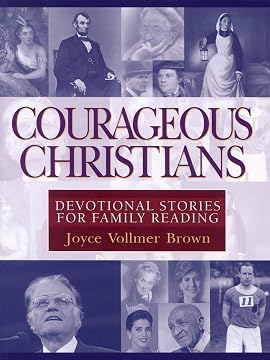
The Trevor Ferrell reading in the available sample begins with an eleven-year-old seeing homelessness on television and asking his parents whether they can help. That is a strong place to begin a family conversation about courage. A child notices a need, then keeps asking until the family goes out with a blanket and a pillow. The reading connects his response with the Good Samaritan in Luke 10:30–34.
The Corrie ten Boom reading asks a much harder question. Brown pairs her story with Matthew 18:21–22, then follows it into the difficulty of forgiving someone associated with terrible suffering. Read beside Trevor's account, it gives courage two very different forms: going toward a stranger in need and facing a person you have every reason to fear or resent.
What makes these sample readings useful is the discussion space that follows them. The Trevor section brings the question back to people nearby who need help. The Corrie section asks readers to consider forgiveness in their own lives. There is room here for a parent to listen, for a child to disagree or ask something difficult, and for a family to connect an account with an actual choice.
We picked Courageous Christians for that practical use around a table. Moody describes sixty daily readings, featuring people from different places and periods. Start with one story and give the discussion time. For families wanting to explore what faith asks of people in ordinary circumstances and extraordinary suffering, the sample shows a thoughtful way to begin.
An editorial recommendation informed by the Corrie ten Boom and Trevor Ferrell sample readings available through Logos, and Moody's publisher information.
Publisher's book page ↗ · Read the sample pages on Logos ↗ · Author biography ↗